Here are some tips and recommendations from our team to help you organize and plan your trip to Lisbon AI.

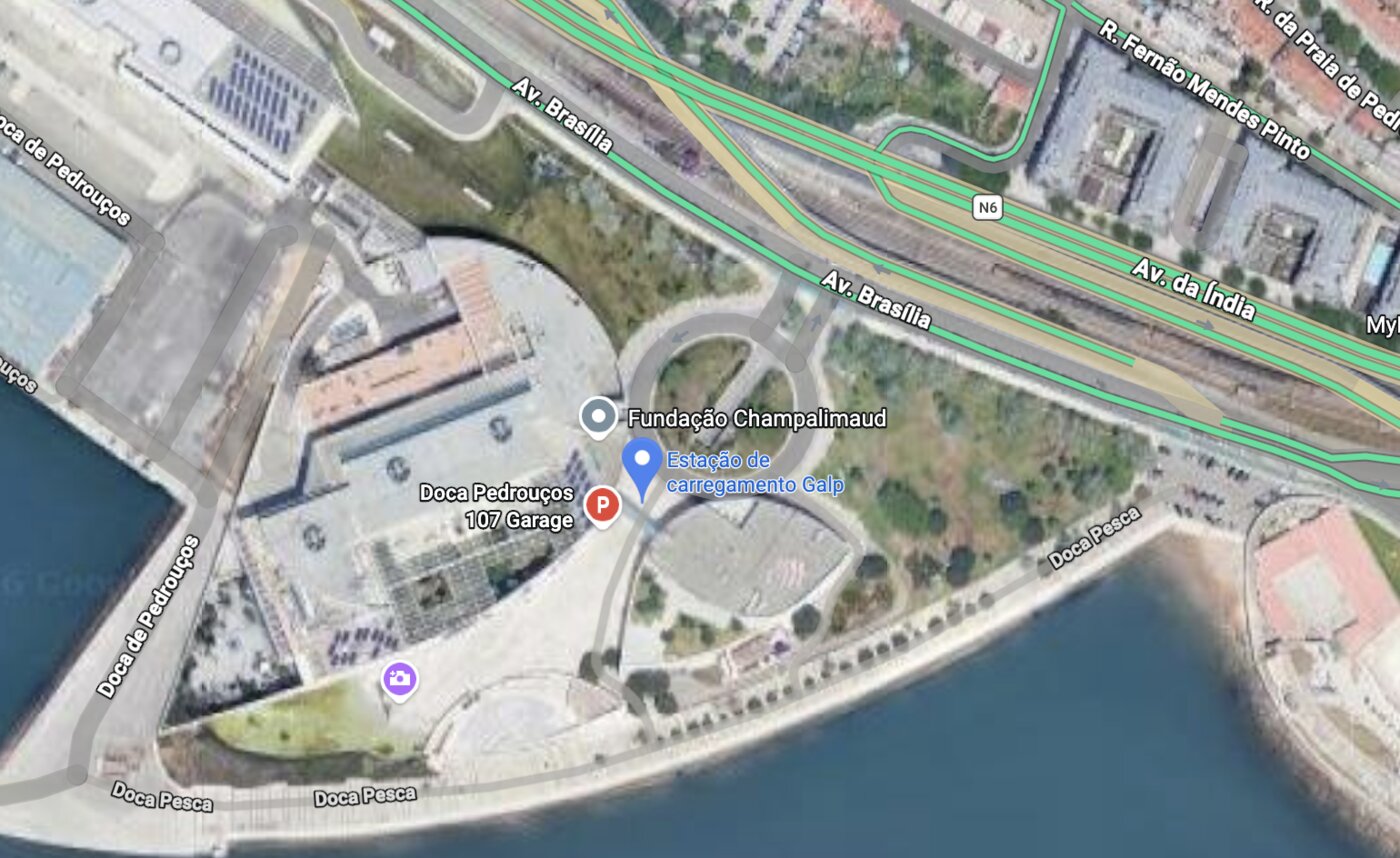
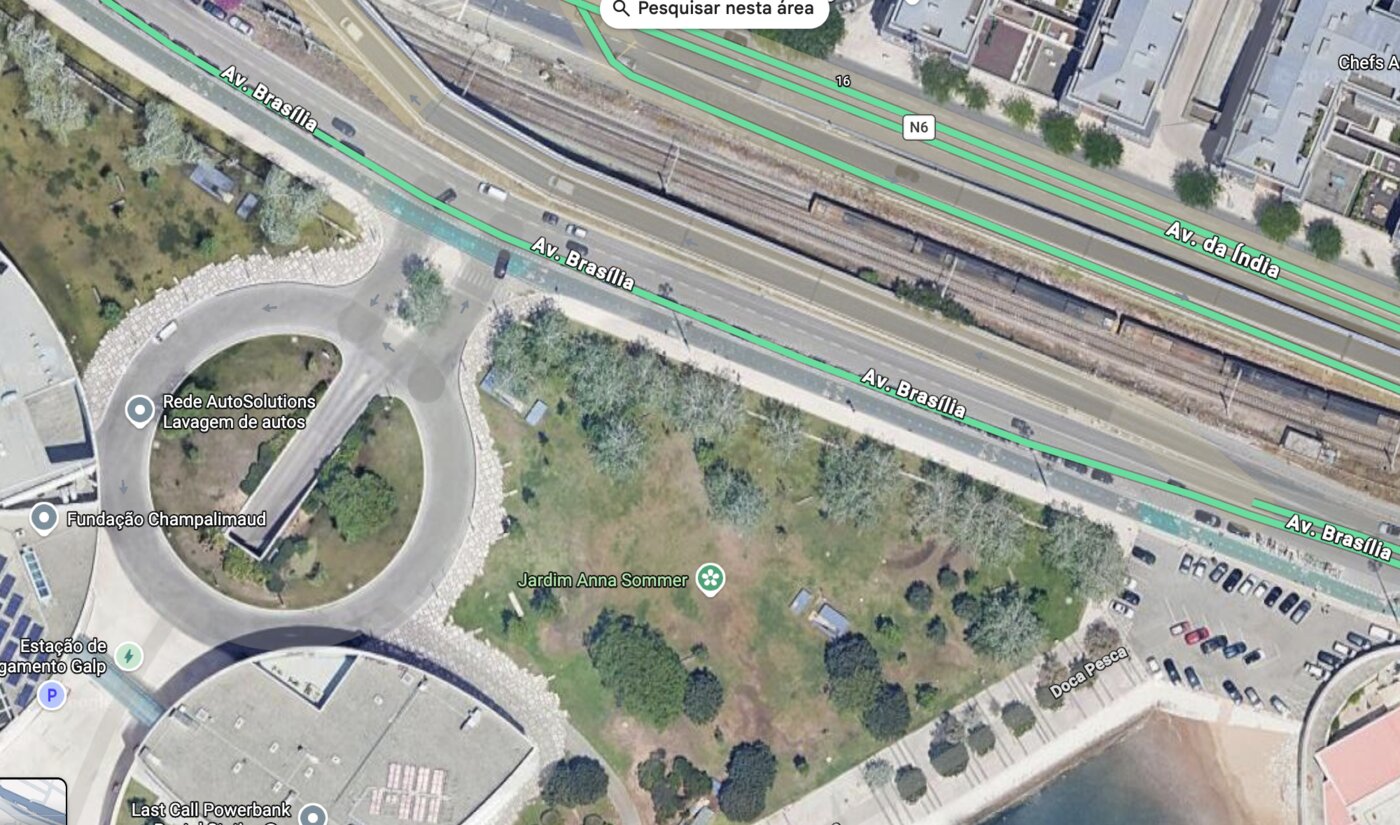
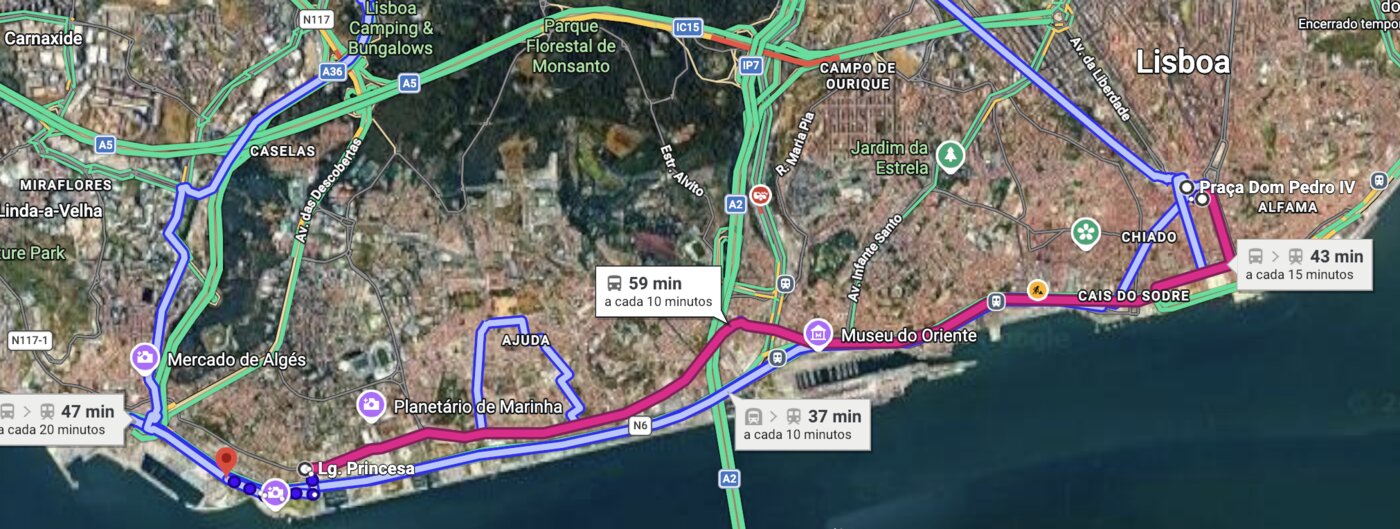
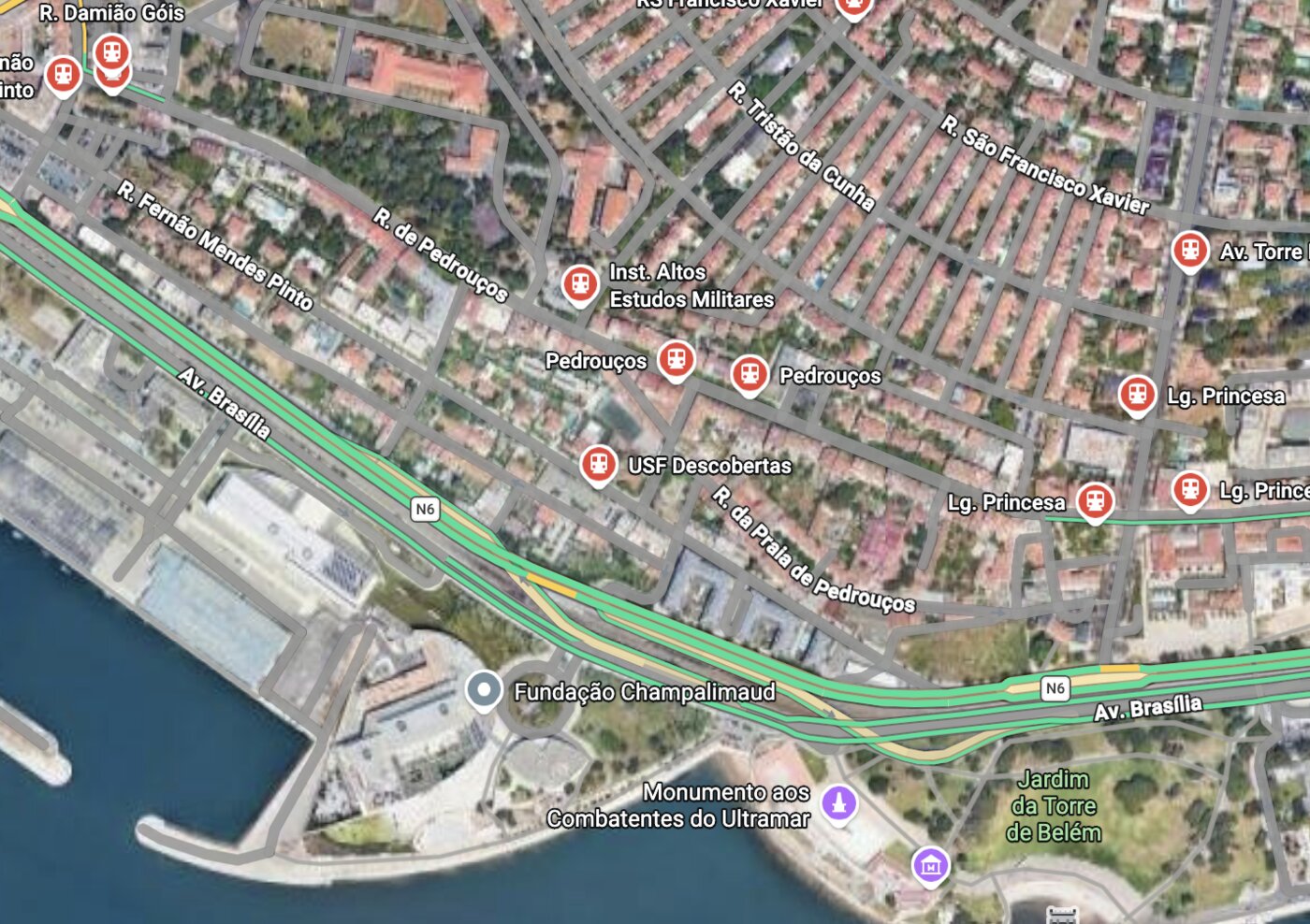
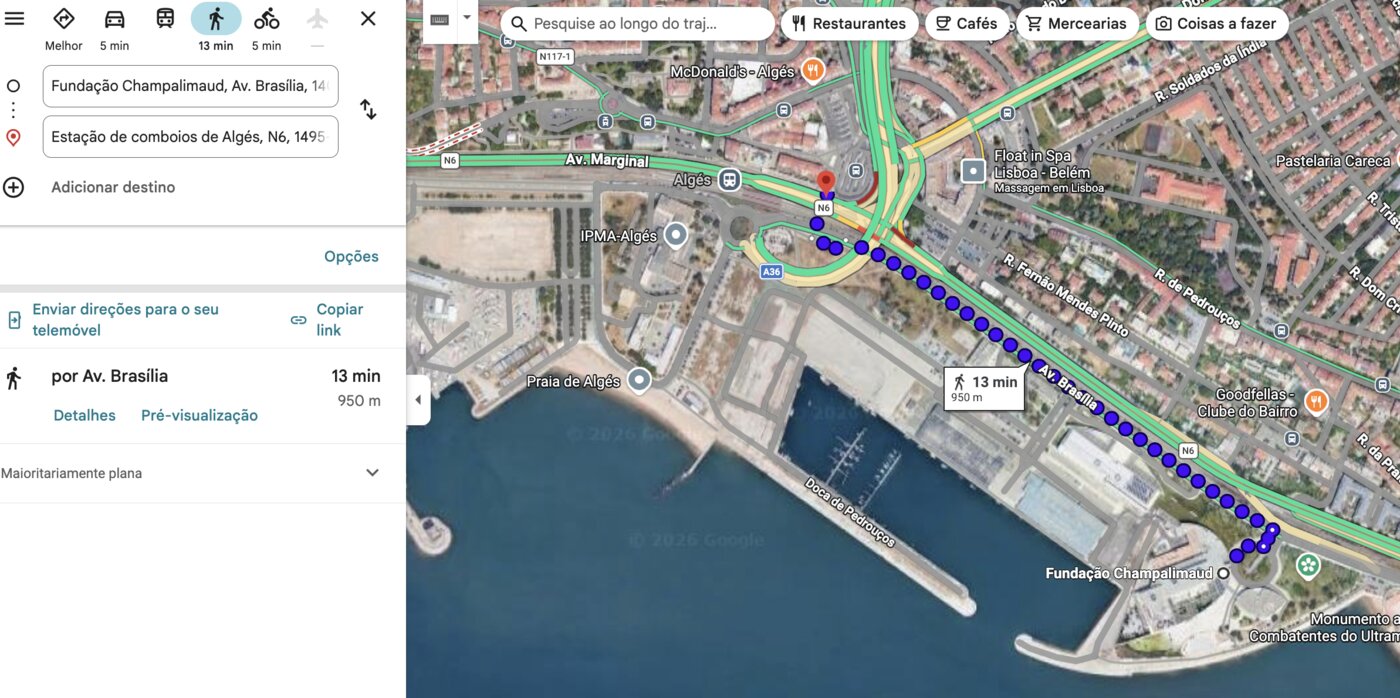
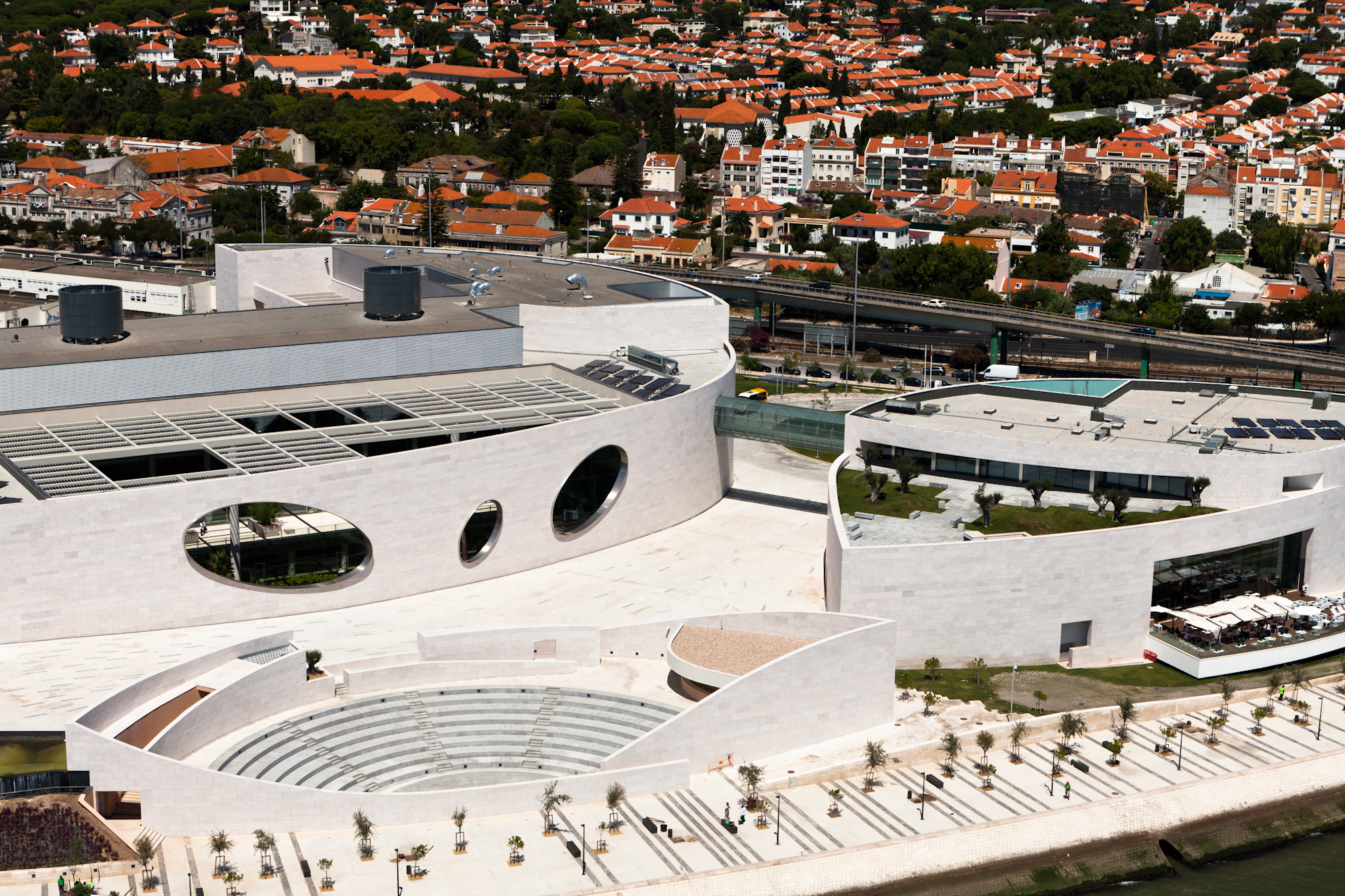
The venue is Centro Champalimaud on the Belém waterfront, west of central Lisbon. Here's how to get there:


Once you're in Lisbon, the metro, trams, and buses are cheap and reliable — grab a rechargeable Navegante / Viva Viagem card at any station. Bolt and Uber are everywhere and affordable. The centre is walkable, just expect hills and cobblestones.

TAP Air Portugal is our official flying partner. Book directly on flytap.com with the event code to get:
If you're a registered attendee, you can use codesIT26TPCG68 and IT26TPCG68C to get your discount.
Most attendees stay in central Lisbon — Baixa, Chiado, Cais do Sodré, or Alcântara — which are well connected to Belém and close to the nightlife and restaurants. Belém itself is quieter and more residential. You should book early, as late September is a popular time to visit the city.
Lisbon AI attendees get a 15% discount on the Best Available Rate on the day of booking. To claim it, email sales@emeraldhouse.pt or sales2@emeraldhouse.pt and mention that you are part of the Lisbon AI congress.View on Google Maps.
A comfortable base between the city centre and Belém. View on Google Maps.
1
2
3
4
5
6
7
8
9
10
11
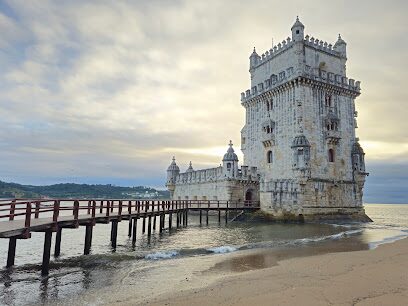
12A UNESCO World Heritage fortified tower built 1514–1520 to guard the mouth of the Tagus, and a masterpiece of Portugal's ornate Manueline style. It remains an enduring symbol of Lisbon and the Age of Discovery.
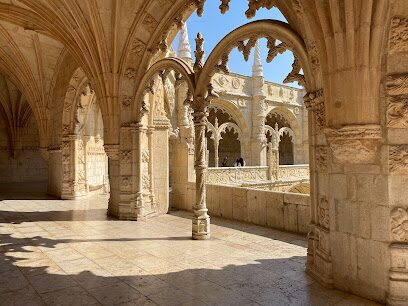
A vast early-16th-century monastery and UNESCO World Heritage site, widely considered the finest Manueline building in Lisbon. It holds the tombs of explorer Vasco da Gama and poet Luís de Camões.
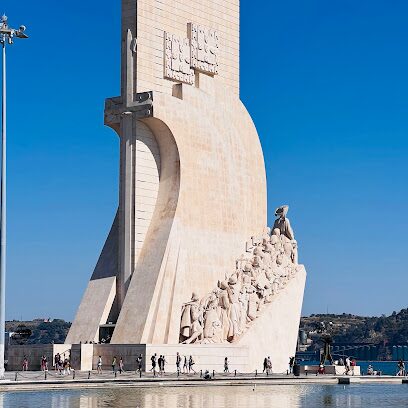
A 52-metre monument on the Belém waterfront shaped like a caravel's prow, led by Henry the Navigator and lined with Portuguese explorers. A viewpoint at the top overlooks the giant compass-rose mosaic below.
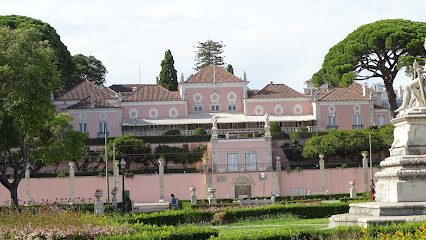
The salmon-pink 18th-century palace that is the official residence of the President of Portugal. It famously survived the 1755 earthquake and once served as a royal summer retreat.
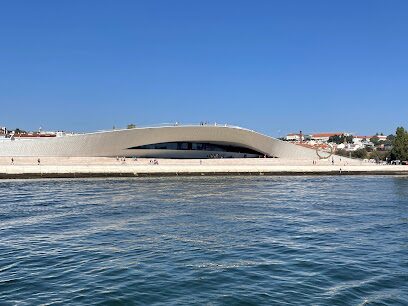
A striking riverside museum of Art, Architecture and Technology, its low wave-like form clad in some 15,000 crackle-glazed tiles. Walk across its roof for sweeping views of the Tagus.
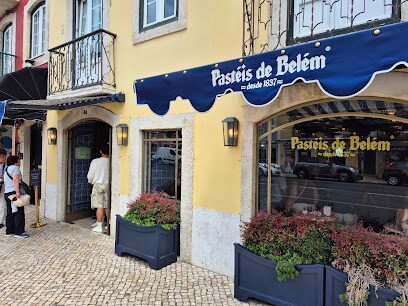
The historic bakery serving the original pastel de nata since 1837, from a secret recipe passed down from the monks of Jerónimos. Over 20,000 warm custard tarts fly out the door here every day.
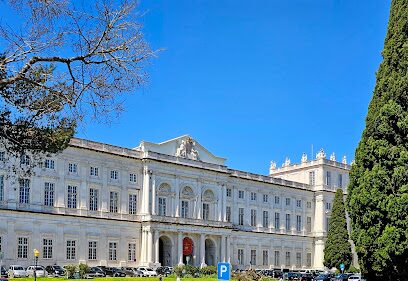
A grand 19th-century neoclassical royal palace, once home to the Portuguese royal family. Since 2022 it also houses the Royal Treasure Museum and the Portuguese crown jewels.
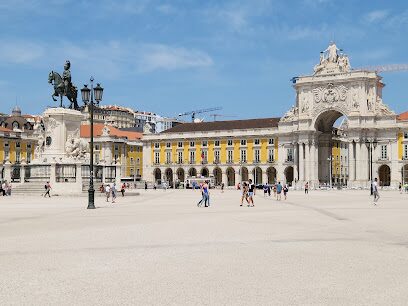
Lisbon's grand riverside square, on the site of the royal palace lost to the 1755 earthquake and rebuilt in elegant Pombaline style. Its triumphal Rua Augusta Arch opens onto the downtown Baixa.
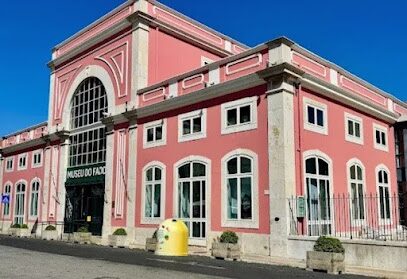
A museum in Alfama devoted to Fado, the soulful Lisbon song tradition recognised by UNESCO. It traces the genre's history, its guitars, singers and famous fado houses.
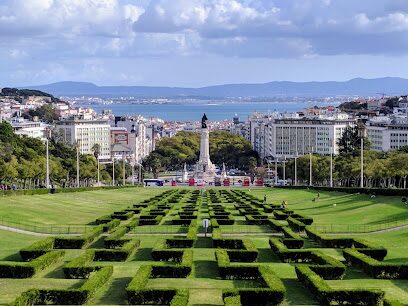
Central Lisbon's largest park, a sloping carpet of manicured lawn and geometric hedges above Avenida da Liberdade. From the top there are fine views down to the Marquês de Pombal and the river.
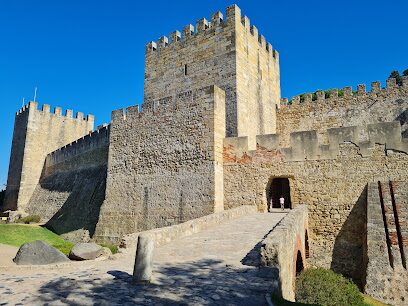
A Moorish hilltop castle crowning Lisbon's highest hill, with roots stretching back two millennia. Its ramparts offer the city's best panorama over Alfama, the Tagus and the 25 de Abril Bridge.
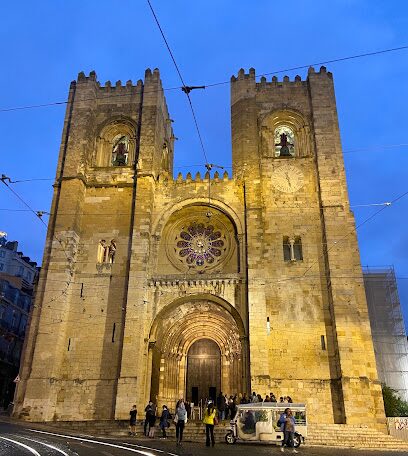
Lisbon's cathedral and oldest church, begun in 1147 just after the city was taken from the Moors. A fortress-like Romanesque landmark that has weathered centuries of earthquakes.
Anything we didn't cover? Reach us at info@lisbonai.org or on the Discord. Please also read our Code of Conduct before the event.